A Simple Way to Reduce Erosion and Improve Stability
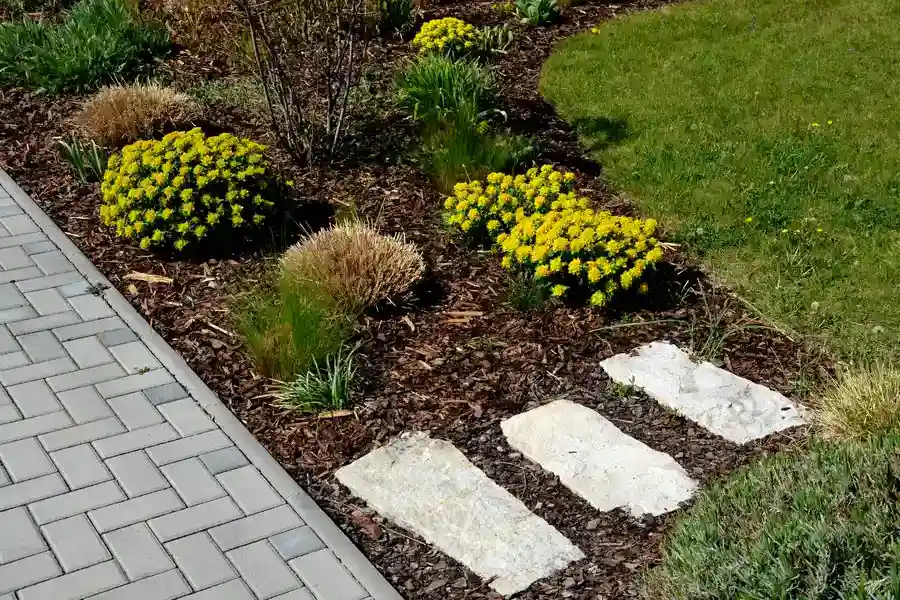
Mulching supports soil control on job sites by holding dirt in place, slowing water runoff, and protecting bare ground from wind and rain. When land is cleared for construction, the soil becomes loose and exposed. This can lead to erosion, muddy conditions, and sediment washing into nearby areas. By applying a layer of mulch, contractors can stabilize the surface quickly and help keep the site clean, safe, and compliant with basic erosion control standards.
What You Need Before Getting Started
Before using mulching for soil control, a few things should be in place. First, the ground should be graded. This helps direct water away from problem spots. Large rocks, debris, and trash should also be removed so the mulch can sit evenly on the surface.
You will also need:
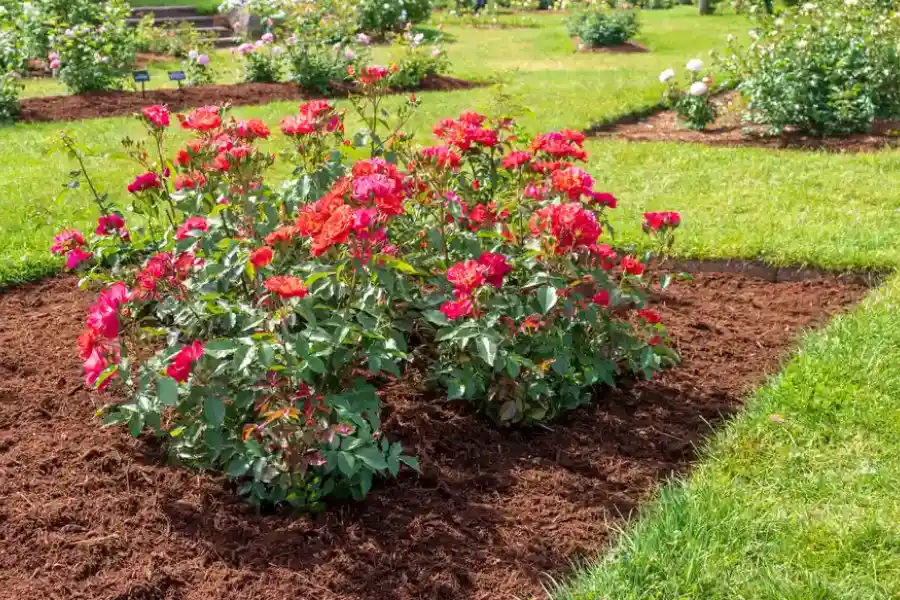
- The right type of mulch, such as wood chips or ground bark
- A spreading method, like a blower truck or manual tools
- Proper timing, usually before heavy rain is expected
- A plan for inspecting the area after storms
Choosing the right material matters. Some projects may also combine mulching with other erosion and sediment control methods like silt fences or wattles.
Step-by-Step: How Mulching Controls Soil
Mulching works best when applied the right way. Here is a simple step-by-step process used on many job sites:
- Prepare the soil by grading and smoothing the surface.
- Remove loose debris that could block contact with the ground.
- Apply mulch evenly across exposed areas.
- Spread it to a consistent depth, usually 2 to 4 inches.
- Lightly compact or crimp it if needed to prevent movement.
- Inspect after rainfall and refill thin spots.
Once in place, the mulch layer acts like a blanket. It breaks the force of falling rain. It slows down runoff. It also shields soil from direct sunlight, which helps reduce drying and cracking.
This is especially helpful on slopes. Without ground cover, water can rush downhill and carry soil with it. Mulching slows that flow and helps keep the soil where it belongs.
Common Mistakes to Avoid
Mulching seems simple, but there are a few common errors that reduce its effectiveness.
- Applying mulch too thin, which leaves soil exposed
- Using the wrong type of material for the project
- Failing to secure mulch on steep slopes
- Ignoring inspections after heavy rain
Too little coverage will not protect the soil. Too much can smother areas if vegetation is planned. The key is even, controlled application. On wind-prone sites, extra anchoring methods may be needed.
Another mistake is waiting too long to apply it. Soil can start eroding the first time it rains. Adding protection early helps avoid costly cleanup later.
When to Call a Professional
Small, flat areas may be manageable with basic tools. Larger commercial sites often need professional equipment and experienced crews. Steep slopes, wide open land, and projects near water sources require extra care.
A professional team can assess drainage patterns and soil type. They can recommend the right mulch blend and application rate. They also have blower trucks and other tools that cover large areas quickly and evenly.
Some job sites must meet local erosion control guidelines before construction continues. In these cases, proper mulching supports compliance and helps avoid delays or fines.
If rain is in the forecast or erosion has already started, fast action is important. Bringing in a trained crew can stabilize the area before damage spreads.
Get Help With Soil Control Today
We help property owners and contractors protect their job sites across Hightstown, NJ. Our team at Cisnes Landscaping and General Construction uses proven mulching methods to control erosion and support safe, stable ground conditions. If you need help with soil control, call us at (609) 865-4218 to schedule a consultation and let us handle the work the right way.