Create Structure, Beauty, and Usable Space in Your Yard
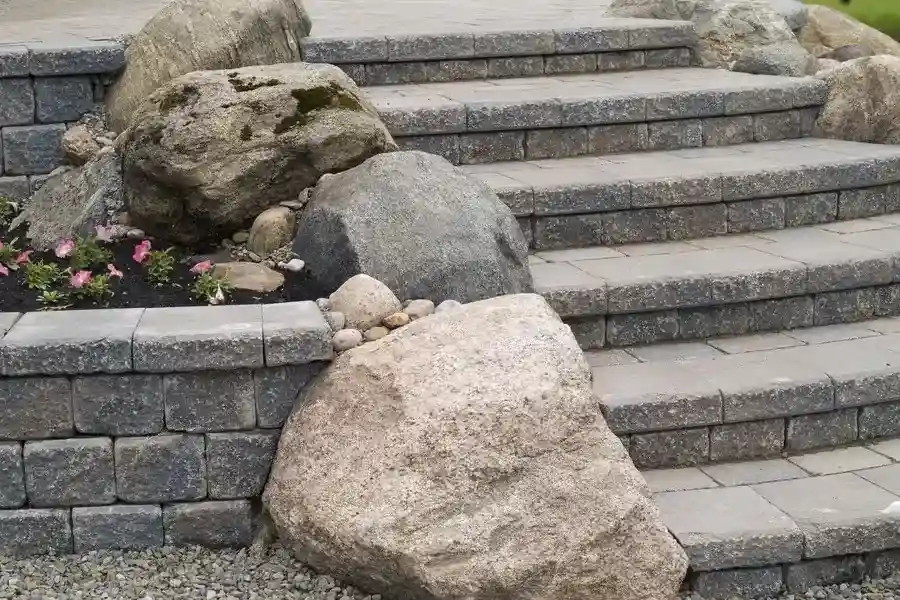
Retaining wall installation improves landscape design by turning steep or uneven ground into level, usable space. It helps shape your yard, control water, and add strong visual lines. With the right layout, a sloped lot can become a multi-level outdoor area that looks clean and well planned. In places like Hightstown, NJ, where yards may have hills or drainage issues, adding a retaining wall can completely change how a property looks and works.
What You Need Before Starting
Before starting a retaining wall project, you need a clear plan. Think about the goal. Do you want more flat yard space? Better drainage? A garden bed with clean edges?
You should also look at:
- The slope and soil type
- Drainage flow after heavy rain
- The height of the wall
- Local building codes
- Material style that matches your home
Some walls are small and decorative. Others hold back large amounts of soil. Taller walls often need permits and proper engineering. Planning ahead prevents future problems.
Step-by-Step Process
Retaining wall installation follows a clear set of steps. Each one plays a role in how the final design looks and performs.
- Design the layout. Mark the shape and length of the wall. Curved walls feel soft and natural. Straight lines feel modern and sharp.
- Excavate the area. Dig into the slope to create space for the base and wall blocks.
- Prepare a strong base. Add and compact gravel. This keeps the wall stable.
- Install drainage. Add perforated pipe and gravel behind the wall to move water away.
- Lay the first row level. The first layer must be even. Every layer above depends on it.
- Stack and secure the blocks. Follow the design pattern and check alignment often.
- Backfill and compact. Add soil behind the wall in layers.
When done right, the wall blends into the yard and looks like part of the original design.
Common Mistakes to Avoid
Many landscape problems come from skipped steps or poor planning.
- Not adding proper drainage behind the wall
- Using weak base material
- Building too tall without support
- Ignoring water runoff patterns
- Choosing materials that clash with the home
A failed retaining wall can lean, crack, or bulge. Fixing it later costs more than building it correctly the first time.
How Retaining Walls Enhance Overall Landscape Design
A well-built wall does more than hold soil. It shapes the entire yard.
Here is how retaining wall installation improves landscape design in real ways:
- Creates flat areas: You can add patios, gardens, or play areas.
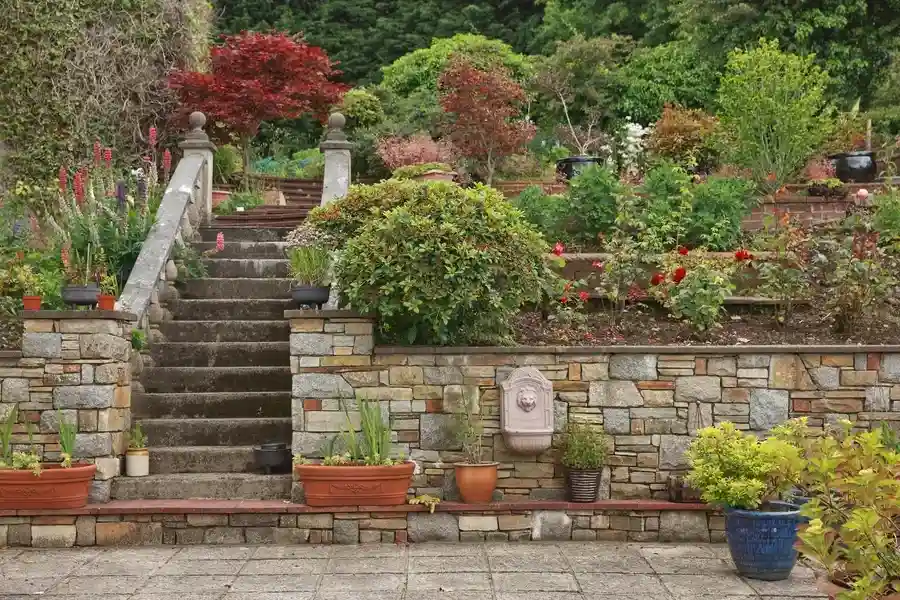
- Adds visual depth: Tiered levels make a yard more interesting.
- Controls erosion: Soil stays in place during storms.
- Improves drainage: Water flows away from the home.
- Defines spaces: Separate lawn, seating, and planting areas clearly.
For example, a sloped backyard can become two levels. The top level may hold a seating area. The lower level can be a lawn or garden. This layered look gives the yard structure and balance.
Walls can also match other hardscape features like walkways and steps. Using similar stone or block styles ties everything together. The result feels clean and planned rather than random.
When to Call a Professional
Small garden walls under a few feet high may be simple projects. Taller structural walls need experience and the right equipment.
You should call a professional if:
- The wall will be over three to four feet high
- The slope is steep
- There are drainage problems already
- The wall will support a driveway or heavy load
- You need permits or inspections
Professional installers understand soil pressure, drainage systems, and base preparation. They also know how to blend the wall into the overall landscape design so it looks natural and balanced.
Final Recommendation and Next Steps
If you are thinking about retaining wall installation in Hightstown, NJ, we can help you plan a design that adds beauty and function to your yard. At Cisnes Landscaping and General Construction, we build walls that shape outdoor spaces the right way from the ground up. Call us at (609) 865-4218 to talk about your project and schedule a consultation with our team.