How to Build a Strong Wall That Holds Back Soil for Years
The key steps to a long-lasting retaining wall installation are proper planning, solid base prep, good drainage, and correct block or stone placement. When each step is done with care, your wall can stand up to rain, soil pressure, and time. Skipping even one step can lead to cracks, leaning, or full failure. If you want a wall that looks good and stays strong, you need to follow a clear process from start to finish.
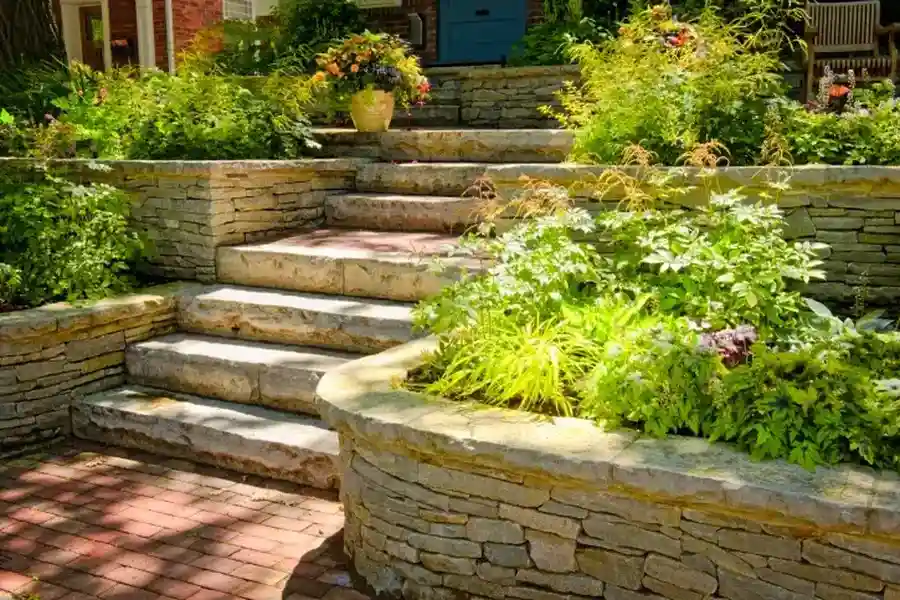
What You Need Before Starting
Before you break ground, gather the right tools and materials. A strong wall starts below the surface. The soil type, slope of your yard, and wall height all matter. In some areas, permits may also be required.
- Shovel and level
- Compactor or hand tamper
- Gravel for base and drainage
- Drain pipe
- Retaining wall blocks or natural stone
- Landscape fabric
- Safety gloves and eye protection
You should also mark utility lines before digging. This protects you and avoids costly damage. Planning ahead saves money and stress later.
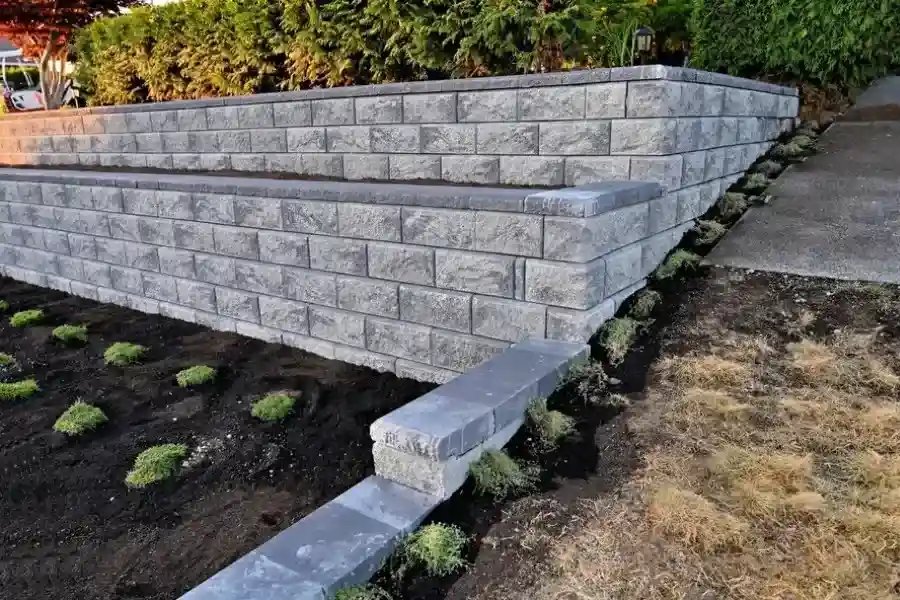
Step-by-Step Process for a Strong Build
Every retaining wall installation should follow a clear set of steps. This helps the wall handle heavy soil and water pressure.
- Plan and measure: Mark the layout using stakes and string. Measure the height and length. Taller walls may need extra support or engineering.
- Excavate the area: Dig a trench below ground level. The trench should be deep enough for a gravel base and the first row of blocks.
- Build a solid base: Add crushed gravel and compact it firmly. A strong base keeps the wall from shifting.
- Install drainage: Place a drain pipe behind the wall and cover it with gravel. Water must be able to move away from the wall.
- Lay the first course: Set the first row of blocks evenly and level. This row supports everything above it.
- Stack and backfill: Add more rows, staggering the joints. Backfill with gravel behind each layer and compact as you go.
- Cap the wall: Glue or secure the top caps to finish the look and add stability.
Following these steps gives your retaining wall installation the strength it needs to last through heavy rain and shifting soil.
Common Mistakes to Avoid
Many wall problems come from a few simple errors. Avoiding them can save you from costly repairs.
- Poor drainage: Water buildup is one of the main causes of wall failure.
- Weak base: Skipping gravel or not compacting it leads to settling.
- Wrong materials: Using blocks not made for retaining wall service can cause cracks.
- Building too tall without support: Taller walls need extra reinforcement.
- No landscape fabric: Soil can clog the gravel without it.
Even small shortcuts can lead to leaning or bulging later. Taking time at the start pays off in the long run.
When to Call a Professional
Some projects are fine for skilled DIY homeowners. But if your wall is over four feet tall, holds back a large slope, or sits near a structure, professional help is a smart move. A trained crew can check soil strength, slope angle, and drainage needs.
Professionals also handle permits and local codes. They use heavier equipment for proper compaction. If your yard has drainage issues or clay soil, expert planning makes a big difference. Hiring help for retaining wall installation often prevents costly rebuilds later.
Work With a Team That Builds for Long-Term Strength
If you are planning a project in Hightstown, NJ, our team at Cisnes Landscaping and General Construction is ready to help. We handle every retaining wall installation with care, from base prep to final cap. We focus on solid drainage, proper support, and clean finishes that last. Call us at (609) 865-4218 to schedule a consultation and let us help build a wall that protects your property for years to come.